Buy systemintegration.eu ?
We are moving the project
systemintegration.eu .
Are you interested in purchasing the domain
systemintegration.eu ?
domain@kv-gmbh.de · 0541-91531010
Buy systemintegration.eu ?
What is the difference between Deconstructivism, Modernism, and Historicism?
Deconstructivism is a postmodern architectural style that seeks to break down traditional elements of design, creating fragmented and distorted forms. Modernism, on the other hand, is a design movement that emerged in the early 20th century, characterized by simplicity, functionality, and the use of new materials such as steel and glass. Historicism, on the other hand, is an architectural style that draws inspiration from historical architectural styles and incorporates them into contemporary designs. Each of these styles has its own unique approach to design and aesthetics, reflecting different philosophies and influences. **
What is the difference between postmodern architecture and deconstructivism?
Postmodern architecture is a movement that emerged in the late 20th century, characterized by a playful and eclectic approach to design, often incorporating historical references and decorative elements. Deconstructivism, on the other hand, is a more radical and experimental architectural style that emerged in the late 1980s, characterized by fragmented forms, non-rectilinear shapes, and a focus on disorienting and destabilizing the viewer's perception of space. While postmodern architecture often incorporates historical elements in a more whimsical and decorative manner, deconstructivism seeks to challenge traditional notions of form and structure through its fragmented and distorted designs. **


Similar search terms for Deconstructivism
Top-Angebote
Products related to Deconstructivism:
-
Stealth Gaming Headset Stand - Black - USB Connectivity - RGB LightingSleek curved black frame supports a wide range of headsets with weighted non-slip base. Customizable RGB lighting with 12 effects, USB powered with two ports. Suitable for PlayStation Xbox Nintendo Switch PC and mobile devices. No assembly required.17,83 £*Shipping: 3,95 £Secure redirect to the provider
-
Modulus: Factory Automation PC Steam CD KeyModulus: Factory Automation – PC Buy Cheap Modulus: Factory Automation PC Game Overview Modulus: Factory Automation is a deep, systems‑driven automation and production simulator where you design, build, and optimize fully automated factories. Extract resources, research new technologies, create efficient production chains, and scale your industrial empire from a small workshop to a massive automated complex. With modular building, conveyor systems, logistics planning, and advanced automation tools, Modulus offers a satisfying blend of engineering, strategy, and creative problem‑solving — perfect for fans of factory‑building and optimization games. This PC version includes global activation and instant digital delivery. Key Features Modular Factory Building Design production lines using modular components, machines, and conveyor systems. Deep Automation Systems Automate everything from resource extraction to high‑tier manufacturing. Research & Technology Tree Unlock new machines, upgrades, and advanced automation tools. Resource Management Balance inputs, outputs, power usage, and logistics to keep production flowing. Scalable Complexity Start small and expand into a massive, fully automated industrial network. Optimization Gameplay Refine layouts, reduce bottlenecks, and maximize efficiency. PC Enhanced Smooth performance, clean UI, and full Steam integration. Who This Game Is For Perfect for players who: Enjoy factory‑building and automation games Like optimization, logistics, and production‑chain design Want a deep, scalable simulation experience Appreciate modular building systems Enjoy games like Factorio, Satisfactory, or Dyson Sphere Program Platform Details Platform: PC Region: Global Edition: Digital Activation Code Genre: Automation, Simulation, Strategy, Management How to Activate (PC) Log in to your Steam account. Click Add a Game → Activate a Product on Steam . Enter your Modulus: Factory Automation PC code. Download and start playing instantly.16,82 £*Shipping: 0,00 £Secure redirect to the provider
-
Uplift Essentials Triple Safety AirTag Integration Collar blackKeep your pet protected with the ultimate hightech security accessory: the TripleSafety AirTag Integration Collar. This isn't just a stylish neckband; its a comprehensive tracking and identification system designed to give you total peace of mind....56,97 $*Shipping: 0,00 $Secure redirect to the provider
-
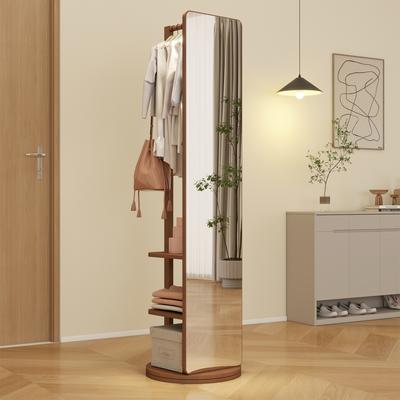
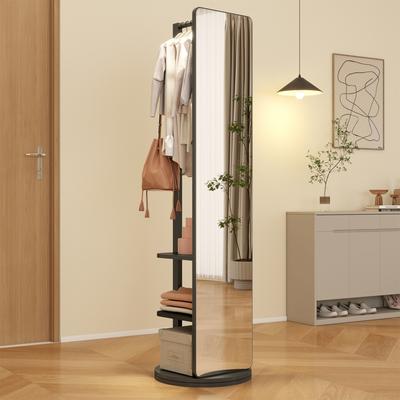
DEVERA Hanger and Full-length Mirror IntegrationSpecification Main Material: Rubber Wood,Solid Wood,Wood+Glass Product Style: American Design,Art Deco,Artsy,Contemporary,European Product Features Product Information: Full-length mirror, solid wood + rubber wood + glass, 65.7*17.7in (mirror width:…277,49 $*Shipping: 0,00 $Secure redirect to the provider




-
What is the relationship between postmodernism and deconstructivism in architecture?
Postmodernism and deconstructivism in architecture are closely related movements that emerged in the late 20th century. Postmodernism challenged the modernist principles of simplicity and functionality, embracing complexity, ornamentation, and historical references. Deconstructivism, on the other hand, sought to break down traditional architectural conventions by fragmenting forms and creating structures that appear disordered and chaotic. While both movements share a rejection of modernist ideals, deconstructivism takes this rejection further by actively dismantling and reinterpreting architectural norms. **
-
With which symbols can efficiency and optimization be represented?
Efficiency and optimization can be represented by symbols such as a lightbulb for efficiency, a magnifying glass for optimization, and an arrow pointing upwards for improvement. These symbols visually convey the concepts of streamlining processes, maximizing output, and enhancing performance. They are commonly used in presentations, infographics, and diagrams to communicate the importance of efficiency and optimization in various contexts. **
-
Which symbols can be used to represent efficiency and optimization?
Symbols such as a light bulb, a gear, or an arrow pointing upwards can be used to represent efficiency and optimization. A light bulb symbolizes bright ideas and innovation, while a gear represents smooth functioning and productivity. An arrow pointing upwards can symbolize progress and improvement in efficiency. These symbols are commonly used in visual communication to convey the concept of efficiency and optimization. **
-
What does streamlining processes mean?
Streamlining processes refers to the act of simplifying and optimizing workflows to make them more efficient and effective. This often involves identifying and eliminating unnecessary steps, reducing bottlenecks, and automating repetitive tasks. By streamlining processes, organizations can save time, resources, and costs, ultimately improving productivity and overall performance. **
What does streamlining of processes mean?
Streamlining of processes refers to the optimization and improvement of workflows to make them more efficient, effective, and productive. This involves identifying unnecessary steps, reducing bottlenecks, and eliminating any redundancies in the process. By streamlining processes, organizations can save time, resources, and costs, ultimately leading to increased productivity and better outcomes. **
What are connectivity issues?
Connectivity issues refer to problems that arise when devices or systems are unable to establish a connection with each other. This can be due to various reasons such as network outages, hardware malfunctions, or configuration errors. Connectivity issues can result in slow or unreliable internet connections, dropped calls, or inability to access shared resources. Resolving connectivity issues often involves troubleshooting the network, checking hardware components, and adjusting settings to ensure a stable connection. **
Top-Angebote
Products related to Deconstructivism:
-
Multisell Products Hub DIY Voice Control Light Switch Module For Smart Home Automation With Tuya, Alexa & Google Home Integration DIY Voice Control Light Switch Module For Smart Home Automation With Tuya, Alexa & Google Home IntegrationUpgrade your home with the DIY Light Switch Module, bringing cuttingedge smart home automation to your fingertips. Perfect for those who want seamless control over their lighting and appliances, this module easily integrates with Alexa and Google...34,97 $*Shipping: 0,00 $Secure redirect to the provider
-
DEVERA Hanger and Full-length Mirror IntegrationSpecification Main Material: Rubber Wood,Solid Wood,Wood+Glass Product Style: American Design,Art Deco,Artsy,Contemporary,European Product Features Product Information: Full-length mirror, solid wood + rubber wood + glass, 65.7*17.7in (mirror width:…302,39 $*Shipping: 0,00 $Secure redirect to the provider
-
Stealth Gaming Headset Stand - Black - USB Connectivity - RGB LightingSleek curved black frame supports a wide range of headsets with weighted non-slip base. Customizable RGB lighting with 12 effects, USB powered with two ports. Suitable for PlayStation Xbox Nintendo Switch PC and mobile devices. No assembly required.17,83 £*Shipping: 3,95 £Secure redirect to the provider
-
Modulus: Factory Automation PC Steam CD KeyModulus: Factory Automation – PC Buy Cheap Modulus: Factory Automation PC Game Overview Modulus: Factory Automation is a deep, systems‑driven automation and production simulator where you design, build, and optimize fully automated factories. Extract resources, research new technologies, create efficient production chains, and scale your industrial empire from a small workshop to a massive automated complex. With modular building, conveyor systems, logistics planning, and advanced automation tools, Modulus offers a satisfying blend of engineering, strategy, and creative problem‑solving — perfect for fans of factory‑building and optimization games. This PC version includes global activation and instant digital delivery. Key Features Modular Factory Building Design production lines using modular components, machines, and conveyor systems. Deep Automation Systems Automate everything from resource extraction to high‑tier manufacturing. Research & Technology Tree Unlock new machines, upgrades, and advanced automation tools. Resource Management Balance inputs, outputs, power usage, and logistics to keep production flowing. Scalable Complexity Start small and expand into a massive, fully automated industrial network. Optimization Gameplay Refine layouts, reduce bottlenecks, and maximize efficiency. PC Enhanced Smooth performance, clean UI, and full Steam integration. Who This Game Is For Perfect for players who: Enjoy factory‑building and automation games Like optimization, logistics, and production‑chain design Want a deep, scalable simulation experience Appreciate modular building systems Enjoy games like Factorio, Satisfactory, or Dyson Sphere Program Platform Details Platform: PC Region: Global Edition: Digital Activation Code Genre: Automation, Simulation, Strategy, Management How to Activate (PC) Log in to your Steam account. Click Add a Game → Activate a Product on Steam . Enter your Modulus: Factory Automation PC code. Download and start playing instantly.16,82 £*Shipping: 0,00 £Secure redirect to the provider
-
What is the difference between Deconstructivism, Modernism, and Historicism?
Deconstructivism is a postmodern architectural style that seeks to break down traditional elements of design, creating fragmented and distorted forms. Modernism, on the other hand, is a design movement that emerged in the early 20th century, characterized by simplicity, functionality, and the use of new materials such as steel and glass. Historicism, on the other hand, is an architectural style that draws inspiration from historical architectural styles and incorporates them into contemporary designs. Each of these styles has its own unique approach to design and aesthetics, reflecting different philosophies and influences. **
-
What is the difference between postmodern architecture and deconstructivism?
Postmodern architecture is a movement that emerged in the late 20th century, characterized by a playful and eclectic approach to design, often incorporating historical references and decorative elements. Deconstructivism, on the other hand, is a more radical and experimental architectural style that emerged in the late 1980s, characterized by fragmented forms, non-rectilinear shapes, and a focus on disorienting and destabilizing the viewer's perception of space. While postmodern architecture often incorporates historical elements in a more whimsical and decorative manner, deconstructivism seeks to challenge traditional notions of form and structure through its fragmented and distorted designs. **
-
What is the relationship between postmodernism and deconstructivism in architecture?
Postmodernism and deconstructivism in architecture are closely related movements that emerged in the late 20th century. Postmodernism challenged the modernist principles of simplicity and functionality, embracing complexity, ornamentation, and historical references. Deconstructivism, on the other hand, sought to break down traditional architectural conventions by fragmenting forms and creating structures that appear disordered and chaotic. While both movements share a rejection of modernist ideals, deconstructivism takes this rejection further by actively dismantling and reinterpreting architectural norms. **
-
With which symbols can efficiency and optimization be represented?
Efficiency and optimization can be represented by symbols such as a lightbulb for efficiency, a magnifying glass for optimization, and an arrow pointing upwards for improvement. These symbols visually convey the concepts of streamlining processes, maximizing output, and enhancing performance. They are commonly used in presentations, infographics, and diagrams to communicate the importance of efficiency and optimization in various contexts. **
Similar search terms for Deconstructivism
-
Uplift Essentials Triple Safety AirTag Integration Collar blackKeep your pet protected with the ultimate hightech security accessory: the TripleSafety AirTag Integration Collar. This isn't just a stylish neckband; its a comprehensive tracking and identification system designed to give you total peace of mind....56,97 $*Shipping: 0,00 $Secure redirect to the provider
-
DEVERA Hanger and Full-length Mirror IntegrationSpecification Main Material: Rubber Wood,Solid Wood,Wood+Glass Product Style: American Design,Art Deco,Artsy,Contemporary,European Product Features Product Information: Full-length mirror, solid wood + rubber wood + glass, 65.7*17.7in (mirror width:…277,49 $*Shipping: 0,00 $Secure redirect to the provider
-
DEVERA Hanger and Full-length Mirror IntegrationSpecification Main Material: Rubber Wood,Solid Wood,Wood+Glass Product Style: American Design,Artsy,Beach,Contemporary,European Product Features Product Information: Full-length mirror, solid wood + rubber wood + glass, 68.8*19.6in (mirror width:...356,99 $*Shipping: 0,00 $Secure redirect to the provider
-
DEVERA Hanger and Full-length Mirror IntegrationSpecification Main Material: Rubber Wood,Solid Wood,Wood+Glass Product Style: American Design,Artsy,Beach,Contemporary,European Product Features Product Information: Full-length mirror, solid wood + rubber wood + glass, 68.8*19.6in (mirror width:...349,99 $*Shipping: 0,00 $Secure redirect to the provider
-
Which symbols can be used to represent efficiency and optimization?
Symbols such as a light bulb, a gear, or an arrow pointing upwards can be used to represent efficiency and optimization. A light bulb symbolizes bright ideas and innovation, while a gear represents smooth functioning and productivity. An arrow pointing upwards can symbolize progress and improvement in efficiency. These symbols are commonly used in visual communication to convey the concept of efficiency and optimization. **
-
What does streamlining processes mean?
Streamlining processes refers to the act of simplifying and optimizing workflows to make them more efficient and effective. This often involves identifying and eliminating unnecessary steps, reducing bottlenecks, and automating repetitive tasks. By streamlining processes, organizations can save time, resources, and costs, ultimately improving productivity and overall performance. **
-
What does streamlining of processes mean?
Streamlining of processes refers to the optimization and improvement of workflows to make them more efficient, effective, and productive. This involves identifying unnecessary steps, reducing bottlenecks, and eliminating any redundancies in the process. By streamlining processes, organizations can save time, resources, and costs, ultimately leading to increased productivity and better outcomes. **
-
What are connectivity issues?
Connectivity issues refer to problems that arise when devices or systems are unable to establish a connection with each other. This can be due to various reasons such as network outages, hardware malfunctions, or configuration errors. Connectivity issues can result in slow or unreliable internet connections, dropped calls, or inability to access shared resources. Resolving connectivity issues often involves troubleshooting the network, checking hardware components, and adjusting settings to ensure a stable connection. **
* All prices are inclusive of VAT and, if applicable, plus shipping costs. The offer information is based on the details provided by the respective shop and is updated through automated processes. Real-time updates do not occur, so deviations can occur in individual cases. ** Note: Parts of this content were created by AI.